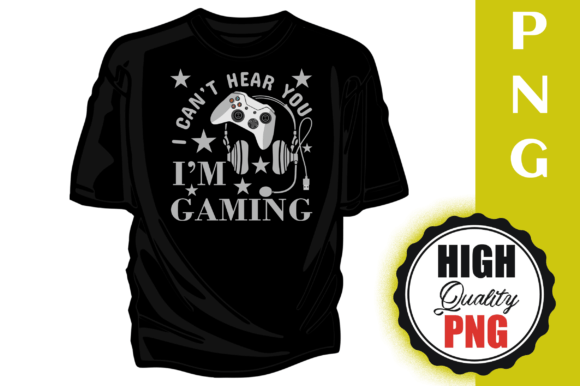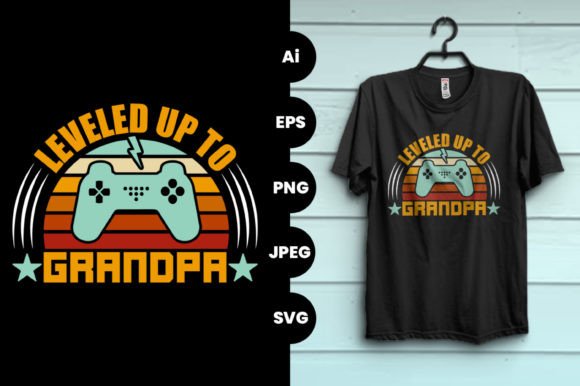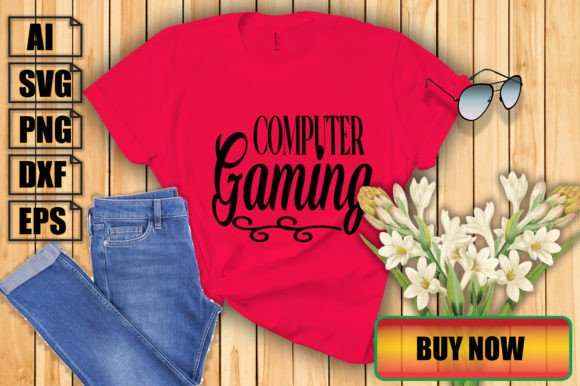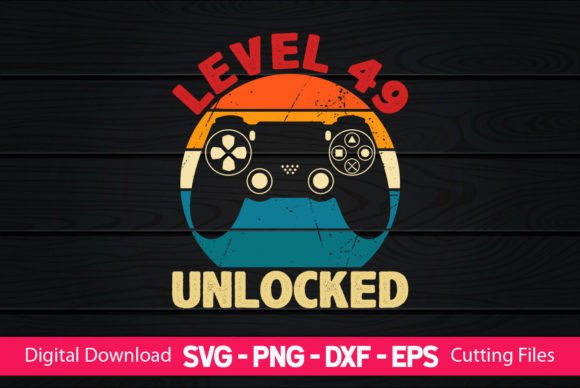
Gaming Tables: Graphics & Print Templates
As a brand designer who has spent the better part of a decade helping local businesses find their visual voice, I approach every new graphic design asset with a mix of curiosity and skepticism. We are often inundated with digital products that look pretty in isolation but fail to hold up under the scrutiny of real-world application. Recently, I had the opportunity to evaluate Gaming Tables for a potential client project, and I wanted to share my practical assessment of how this asset performs in the wild. This is not just a review of a file; it is an exploration of how specific design elements can elevate small business branding from amateur to professional.
My first impression of Gaming Tables was one of structured versatility. In the context of brand identity, structure is everything. While the name suggests a niche focus, the underlying design principles offer a robust framework for various industries. For a local business, whether it is a boutique coffee shop or a handmade soap studio, the mood created by your visuals dictates customer perception. Gaming Tables carries a vibe that is both modern and functional. It does not scream "luxury minimalist" nor does it feel overly rustic; instead, it sits comfortably in the realm of clean, organized, and engaging design. This makes it an excellent candidate for brands that want to appear reliable yet approachable.
Integrating Gaming Tables into Local Business Identity
When I consider how to use Gaming Tables in a real local business scenario, I immediately think about visual hierarchy. One of the biggest mistakes I see handmade business owners make is cluttering their product label or packaging design with too many competing elements. This asset helps solve that by providing a clear focal point. Imagine a skincare brand launching a new line. By incorporating the structural elements of Gaming Tables into their logo design or as a background accent on their box, they create a sense of order. This leads to better product recognition and a stronger emotional connection with the customer, who subconsciously associates the clean lines with purity and quality.
The utility of this asset extends far beyond the logo. In my workflow, I frequently use such design assets for creating cohesive marketing visuals. For a food business, these graphics could frame a menu or highlight special items on a chalkboard-style social media post. For a florist, they could serve as the structural base for a price list or a thank-you card included in every bouquet. The key is consistency. When you use the same visual language across your social media graphics, website banners, and physical printable design materials, you build trust. Customers begin to recognize your brand instantly, which is the ultimate goal of professional branding.
Technical Specifications and Workflow Compatibility
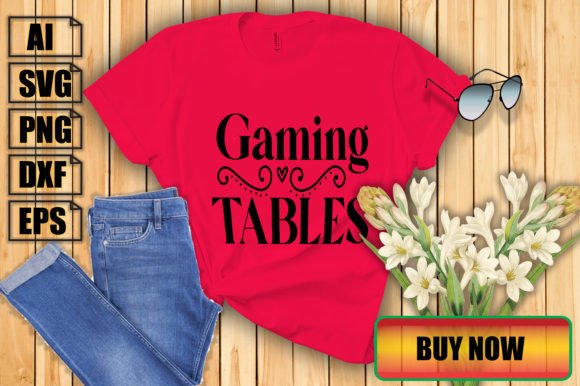
From a technical standpoint, the usability of a digital product is just as important as its aesthetic appeal. With Gaming Tables, you receive a versatile package designed for modern workflows. Specifically, what you will get is 1 SVG file – ideal for Circuit Explore, Silhouette Designer Edition, Adobe Suite, Inkscape, Corel Draw, and more. Additionally, there is 1 DXF file – which is particularly useful for Silhouette users, as this format can be opened and manipulated with ease. This dual-format approach ensures that whether you are a packaging designer using high-end software or a creative entrepreneur working with cutting machines for custom stickers, the asset integrates seamlessly.
I tested the SVG file in Adobe Illustrator, and the vector paths were clean and editable. This is crucial for commercial design work where you often need to adjust colors to match a specific brand palette. The ability to scale the graphic without losing quality means it works just as well on a tiny product mockup for an Instagram story as it does on a large promotional poster for a seasonal campaign. For those using Canva or other web-based tools, the SVG format allows for easy upload and customization, making it a flexible addition to your Canva template library.
Strategic Placement and Design Caution
While Gaming Tables is a powerful tool, it must be used with intention. I recommend using it for hero graphics, packaging accents, and decorative brand elements where you want to draw the eye. It works beautifully on hang tags, stickers, and as a border for editorial design pieces like lookbooks or catalogs. However, there are areas where caution is required. Avoid using this asset in formal corporate branding where strict minimalism is preferred, or on very small labels where intricate details might get lost in printing. It should not compete with essential legal information or ingredient lists on product packaging. If the decoration overshadows the text, you lose clarity, and the customer experience suffers.
Furthermore, be mindful of contrast. When placing these graphics on low-contrast backgrounds, ensure that the visual hierarchy remains intact. I always test my designs in black and white first to confirm that the structure holds up without color reliance. This is a pro tip for any marketer or social media manager: if it looks good in grayscale, it will look great in color. Also, always compare your design with competitor packaging. If everyone else is using organic, flowing shapes, the structured nature of Gaming Tables might help your brand stand out as precise and premium. Conversely, if the market is already saturated with rigid grids, you might need to soften the asset with script fonts or handwritten elements to maintain a friendly tone.
Final Verdict for Creative Entrepreneurs
In conclusion, Gaming Tables is a solid addition to any designer’s toolkit, particularly for those serving local business clients who need to punch above their weight class. It supports stronger first impressions and clearer visual communication. Before finalizing any client work, always confirm the commercial license terms to ensure you are covered for physical product sales and broad distribution. Test the asset beside various typography styles—serif, sans serif, and display fonts—to find the perfect pairing. When used correctly, this clipart and illustration set can transform a simple web design or PNG design project into a cohesive, professional brand experience that resonates with customers and drives sales.