Gaming Areas: A Designer’s Review for Embroidery
As a designer who has spent years digitizing patterns and testing them on everything from flimsy rayon to heavy denim, I approach every new machine embroidery design with a healthy dose of skepticism. We have all been there: you download a file that looks crisp on the screen, only to find it turns into a bird’s nest of thread breaks and puckering once it hits the fabric. That is why I took a close look at Gaming Areas, not just as a digital asset, but as a potential cornerstone for real-world craft projects.
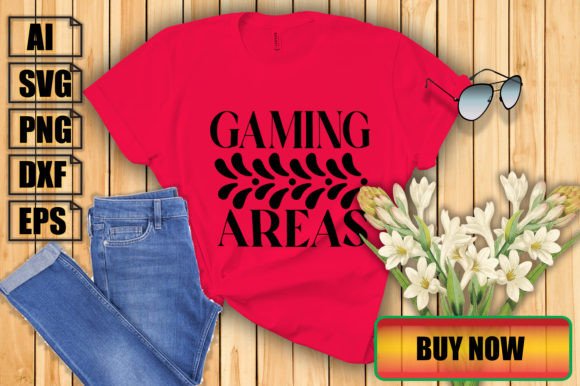
The first thing that strikes you about Gaming Areas is its versatility within the niche. It does not scream "generic gamer" with overly aggressive fonts or chaotic imagery. Instead, it offers a clean, structured aesthetic that feels modern and intentional. For those of us running a craft business or selling on Etsy, this subtlety is crucial. It allows the design to sit comfortably on high-end boutique items rather than looking like a mass-produced novelty. The layout suggests a thoughtful balance between negative space and detail, which is often the difference between a professional-looking finished product and an amateur attempt.
Real-World Application: The Custom Sweatshirt Test
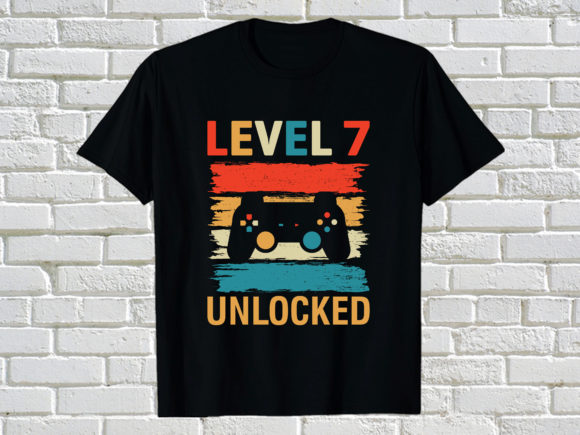
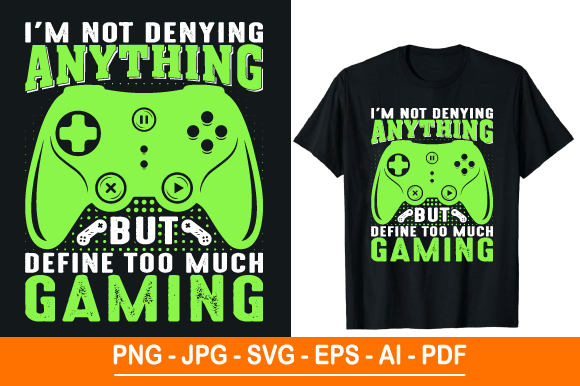
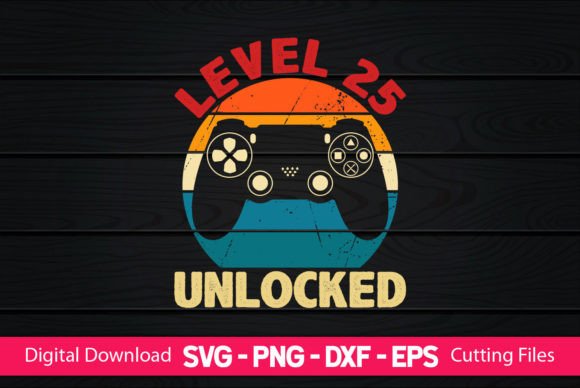
To truly evaluate an embroidery file, you have to imagine it in motion. I recently worked on a commission for a client wanting custom apparel for a local esports team. They needed something that looked sharp on dark hoodies but wouldn’t add excessive weight to the garment. This is where Gaming Areas shines. Because the design likely relies on clear lines and defined shapes—typical of well-optimized Graphics in this category—it translates beautifully to sweatshirt embroidery.
When stitching on fleece or French terry, dense fills can cause significant puckering if not managed correctly. However, a design like this, which appears to prioritize clarity, allows for strategic use of satin stitch borders and lighter fill stitch interiors. If you are using this for a tote bag design, the result is equally impressive. Canvas bags handle higher stitch density well, meaning the details in Gaming Areas will pop without distorting the fabric. I can easily envision this being a bestseller for Etsy sellers who specialize in personalized tech accessories or gaming room decor.
Navigating File Formats and Software Compatibility
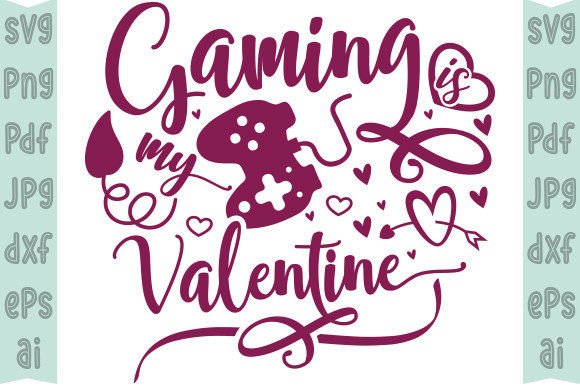
One aspect that requires careful attention is the file format provided. The product description notes that you receive one SVG file and one DXF file. For embroidery machine users, this is a critical distinction. Most home embroidery machines do not read SVG or DXF files directly; they require proprietary formats like PES, DST, or JEF. The SVG file is ideal for users of Circuit Explore, Silhouette Designer Edition, Adobe Suite, Inkscape, and Corel Draw. This makes Gaming Areas incredibly valuable for hybrid creators.
If you are a digital product seller or someone who creates printable mockups, these vector formats are gold. You can scale the design infinitely without losing quality, allowing you to create stunning previews for your online shop. However, if you are strictly an embroiderer, you must ensure you have the software to convert these vectors into stitch files, or confirm if the seller provides converted embroidery formats separately. Always check the specific license terms regarding commercial use before integrating these design assets into your small shop product line.
Fabric Considerations and Stitching Strategy
Every embroidery project lives or dies by its foundation. When working with Gaming Areas, fabric choice is paramount. On thin or stretchy fabrics, such as jersey knits used for baby clothes, you must use a high-quality cut-away stabilizer. The design’s integrity depends on the fabric holding its shape under the needle’s pressure. For a baby embroidery project, I would recommend testing the design on scrap fabric first to ensure the thread colors provide enough contrast against pastel backgrounds.
Curved surfaces present another challenge. If you plan to put this on a cap, be mindful of the hoop size and the design’s width. Detailed corners and tiny elements can get lost or distorted on the curved front panel of a hat. In such cases, simplifying the thread palette and ensuring the running stitch underlay is sufficient can help anchor the design. For flat items like aprons or pillow covers, you have more freedom to let the intricate details of Gaming Areas take center stage.
Commercial Viability and Brand Consistency
For commercial embroidery professionals, consistency is key. Your customers trust that the logo or design they order will look the same every time. Gaming Areas offers a level of professionalism that supports this trust. Whether you are creating holiday embroidery gifts for December sales or year-round personalized gift items, the design’s clean lines ensure it remains legible and attractive even after multiple washes.
Moreover, the visual appeal of this design enhances brand recognition. If you are building a brand around gaming culture, using a cohesive set of Print Templates and embroidery designs helps establish a strong visual identity. Customers are more likely to engage with products that look curated and high-quality. By choosing a design that avoids clutter, you signal to your buyers that you care about the craftsmanship of the handmade product.
Practical Tips for Best Results
- Test on Scraps: Always stitch out Gaming Areas on the same fabric type you intend to use for the final product. This helps you adjust tension and stabilizer choices.
- Check Contrast: Use black and white mockups to ensure the design’s details are visible. If the design relies on subtle color shifts, it may not translate well to embroidery.
- Verify Licensing: Before selling items made with this design, confirm whether the license allows for commercial use of finished goods. This is vital for Etsy sellers and boutique owners.
- Optimize Thread Colors: Limit your palette to 3-5 colors for a cleaner look. Too many color changes can increase production time and the risk of thread breaks.
- Consider Hoop Size: Ensure the design fits comfortably within your hoop with adequate margin for stabilization, especially for larger items like blankets or tote bags.
In conclusion, Gaming Areas is a robust addition to any designer’s library. It bridges the gap between digital versatility and tactile craftsmanship. Whether you are digitizing your own stitches from the SVG or using it as a reference for manual adjustments, it offers the flexibility needed for modern custom apparel and decor. By paying attention to fabric texture, stabilizer choice, and file compatibility, you can transform this digital file into a standout embroidered patch or garment feature that customers will love. It is not just a graphic; it is a tool for creating value in your creative enterprise.