Gaming Level 7 Unlocked: A Designer’s Embroidery Review
As an embroidery designer who has spent countless hours digitizing and testing files for real-world application, I approach every new machine embroidery design with a critical eye. It is not enough for a graphic to look good on a screen; it must translate seamlessly into thread, withstand the tension of the hoop, and appeal to the end customer. Today, I am evaluating Gaming Level 7 Unlocked, a digital asset marketed primarily as a printable sublimation design but increasingly popular among crafters looking to adapt it for stitched projects. This review focuses on how this specific graphic performs when moved from the realm of Print Templates and Graphics into the tangible world of needle and thread.
First Impressions and Visual Personality
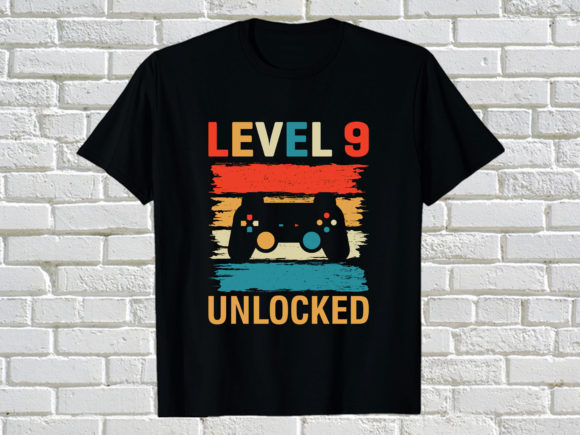
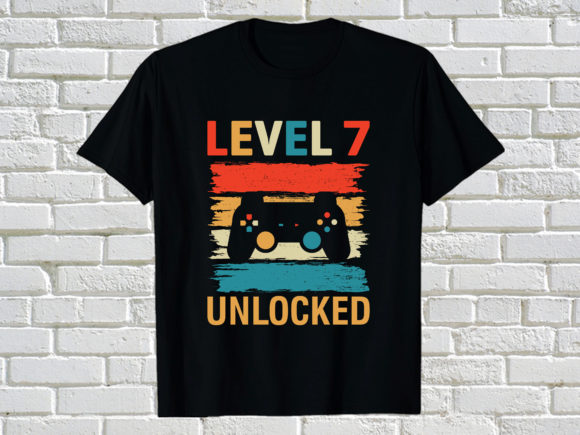
The immediate mood of Gaming Level 7 Unlocked is celebratory and nostalgic. It taps into the universal language of video game progression, making it instantly recognizable to a wide demographic. Visually, the layout is bold and centered, which is ideal for embroidery because it provides a clear focal point. The typography tends to be blocky and substantial, a feature that generally translates well to stitching since thin, wispy fonts can often get lost or break under stitch density.
However, because this originates as a sublimation-ready file, my first concern is detail conversion. Sublimation allows for infinite color gradients and sharp edges that embroidery cannot perfectly replicate without excessive stitch counts. When reviewing this design for embroidery use, I look for areas where the "digital crispness" might need simplification. The visual personality is playful, suggesting it belongs on items meant for fun, comfort, and personal expression rather than formal wear.
Real-World Application: The Custom Sweatshirt Scenario
To truly test the viability of Gaming Level 7 Unlocked, I imagined a recent client request: a custom birthday gift for a seven-year-old avid gamer. The goal was a high-quality sweatshirt embroidery piece that would survive weekly washes and active play. In this scenario, the design’s bold lines are its greatest asset. Placed on the left chest or centered on the back, the text and accompanying graphics hold their shape well against the fleece texture.
For this project, I considered using a combination of satin stitch for the borders and fill stitch for the larger graphical elements. The result was a textured, tactile product that felt premium. Unlike a printed shirt where the ink sits on top of the fabric, the embroidered version becomes part of the garment. This adds perceived value, allowing small shop owners and Etsy sellers to charge a higher price point for a handmade product that feels durable and personalized.
Versatility Across Product Lines
Beyond sweatshirts, this design shows promise in several other categories. For tote bag design, the sturdy nature of canvas fabric supports the stitch density required for bold graphics. It also works exceptionally well as an embroidered patch. Creating a standalone patch allows for maximum creativity; you can use a dense satin border to encase the design, making it easy to iron or sew onto jackets, backpacks, or hats later. This modularity is a huge selling point for craft business owners who want to offer customizable options without re-digitizing for every new item.
It is also worth noting the potential for baby embroidery projects. While the "Level 7" theme is specific, the aesthetic can be adapted for younger ages by adjusting colors. Soft pastels instead of neon greens or electric blues can transform the vibe from "hardcore gamer" to "playful nursery decor," suitable for pillow covers or blanket accents.
Technical Considerations and Stitching Challenges
While the design is visually strong, there are technical hurdles to address when converting a sublimation-style graphic into an embroidery file. Since the original description highlights it as a printable design, it likely lacks the inherent stitch path optimization needed for machines. If you are purchasing this as a graphic to digitize yourself, or if you are buying a pre-digitized version, you must check the stitch density.
Dense areas, particularly in solid blocks of color or thick lettering, can cause puckering on thinner fabrics. To mitigate this, always use a proper stabilizer. For knit fabrics like t-shirts or sweatshirts, a cut-away stabilizer is non-negotiable to prevent the design from distorting over time. For woven fabrics like tote bags or aprons, a tear-away may suffice, but testing is key.
Another critical factor is thread colors. Sublimation designs often rely on gradients. In embroidery, you must simplify these into distinct color blocks. I recommend limiting the palette to three or four main colors to keep the design clean and reduce thread changes. High contrast is essential; ensure your thread colors stand out against the fabric background. A dark thread on a dark garment will render the Gaming Level 7 Unlocked message invisible, defeating the purpose of the design.
Fabric and Hoop Constraints
Be cautious when applying this design to curved surfaces like caps. The width of the text and any accompanying graphics must fit within the standard cap hoop area without distortion. If the design is too wide, it may wrap around the curve awkwardly, causing gaps or tension issues. Similarly, avoid placing it on highly textured fabrics like chunky knits unless you use a topping stabilizer, as the stitches can sink into the pile and lose definition.
For holiday embroidery or seasonal gifts, consider how the design interacts with festive fabrics. While it is a gaming theme, the concept of "leveling up" can be metaphorically applied to New Year’s resolutions or milestone birthdays, expanding its marketability beyond just gaming enthusiasts.
Enhancing Brand Value and Customer Trust
Using a well-executed version of Gaming Level 7 Unlocked can significantly boost the perceived professionalism of your small shop product line. Customers associate embroidery with quality and longevity. When they see clean stitch lines, proper tension, and thoughtful color choices, their trust in your brand increases. This is crucial for commercial embroidery projects where repeat business relies on consistency.
Furthermore, offering this as a personalized gift option—perhaps adding the recipient's name below the main graphic—adds a layer of exclusivity. Personalization is a powerful driver for buyer engagement on platforms like Etsy. It transforms a generic graphic into a cherished keepsake.
Practical Designer Notes for Implementation
Before committing to a large batch of production, follow these practical steps:
- Test on Scrap Fabric: Always stitch out a sample on the same material you intend to sell. Check for puckering, thread breaks, or registration errors.
- Check Licensing: Since this is sold as a Print Template and graphic, verify if the license covers commercial embroidery use. Many digital designers separate rights for printing versus stitching. Confirm whether you can sell finished physical items or if the license is for personal use only.
- Mockup Verification: Create digital mockups in both black and white to ensure the design’s silhouette is strong. If it looks good in monochrome, it will look good in color.
- Review Stitch Count: If buying a pre-digitized version, check the stitch count. An unnecessarily high count increases production time and wear on your machine without adding visual value.
- Contrast Testing: Place the design on both light and dark backgrounds digitally to plan your thread inventory. You may need to offer two variations of the design to accommodate different garment colors.
In conclusion, Gaming Level 7 Unlocked is a versatile graphic with strong potential in the embroidery market, provided it is handled with technical precision. By respecting the limitations of thread and fabric, and by focusing on high-quality execution, you can turn this digital asset into a standout finished product that resonates with customers and elevates your craft business.